

Practical site guide
Checking whether a penetrating treatment fits
Common clues
- The substrate can accept a penetrating water repellent.
- The treatment is intended to reduce absorption.
- A discreet test area can be assessed first.
What should be checked
- Porosity, previous coatings and contamination
- Cracks, joints and sources behind the surface
- Possible appearance change on the actual material
Important limits
- It is not the same as a continuous membrane.
- Open cracks and failed joints require separate work.
- Durability varies with preparation and exposure.
A sensible sequence
- 1Record when the symptom appears.
- 2Inspect the likely source and connected paths.
- 3Agree the repair scope and its limitations.
- 4Complete, protect and monitor the repair.
We specialise in applications of nanotech waterproof coatings to ensure surfaces are water-repellent.
NANO WATERPROOFING SERVICES
About Nano Waterproofing
Nano waterproofing is a penetrating water-repellent treatment used on selected compatible substrates. The technology uses nano-sized particles to penetrate the most minuscule of cracks and spaces to bond them with particles to create a superior long-lasting durable coating
Nanoparticles do not just fill cracks and fractures of materials, but additionally, it can prevent any further input that might be coming from the external environment by sealing them all completely. Importantly, this has been proven to be reliable in preventing rain, pollutive elements, cold and fungiform developing or penetrative action. Durability varies with the substrate, exposure, preparation, product and maintenance, as it does for other waterproofing systems.
Nanotechnology is a highly recommended method repair against leaks on floors and walls of your home. It can help to keep away environmental problems onset that might plague your home for many years.
Microscopic Protection
Recently, new waterproofing technologies have produced coatings that work at the nanometer scale. Nano waterproofing products have significantly smaller particles engineered for their penetration into the smallest pores of building materials. After particle application, a chemical interaction between these particles and the substrate develops the formation of a thin, yet very resilient water repellent layer that at the same time allows material respiration. Due to the ability of the coating to access even those spaces that traditional sealants hardly reach, it will be capable of increasing the resistance of surfaces such as tiles, concrete, or stone against the penetration of moisture. Over time, this extra layer is going to offer protection to the natural cycle of water evaporation from time to time entering structural materials formally leading to their gradual deterioration.
Nanotechnology in Waterproofing
Nanotechnology works in applied waterproofing as treated substrates now repel water in liquid state but simultaneously allowing water in a gaseous state to move in and out. This creates a waterproof layer that is breathable at the same time. This allows water or moisture trapped within the surface to evaporate out of the pores, thereby reducing efflorescence or internal water damage issues by keeping the substrates dry.
Nanoparticles are very durable as they are highly UV-resistant and weather-resistant even under stresses of extreme temperature fluctuations. This allows them to stay strongly bonded to the substrate and prevent them from breaking down under various external conditions. This contrasts to traditional waterproofing membranes which tend to lose effectiveness under heat by breaking down under extreme temperatures and conditions.
Nanoparticles are physically extremely small, so the waterproof coating is completely invisible to the eye. Many penetrating treatments have little visible effect, but a test area should be checked because appearance can vary by substrate.
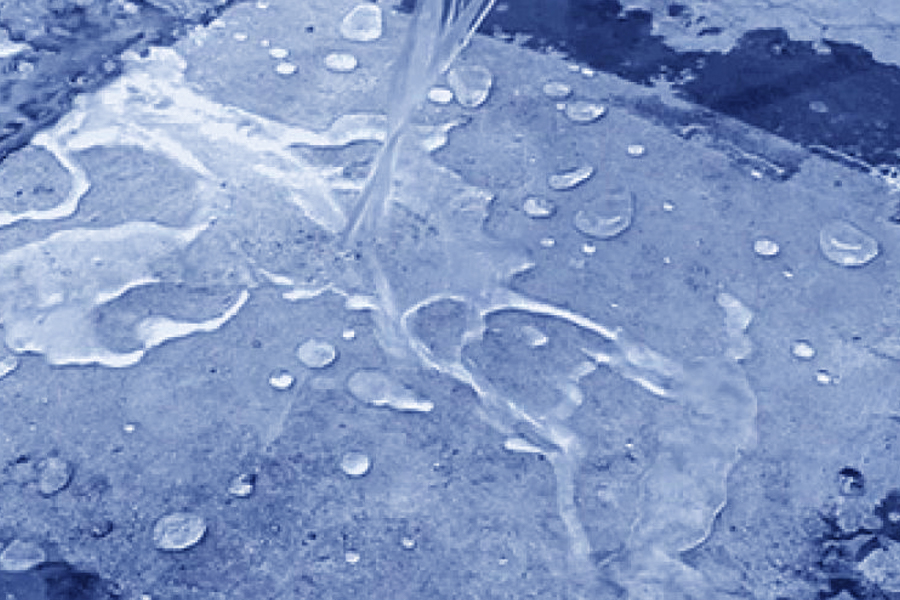
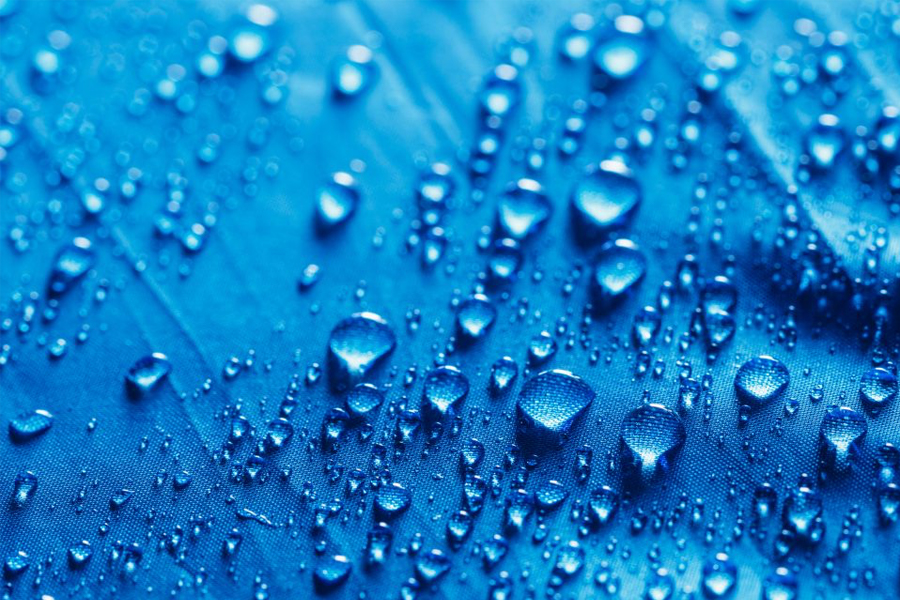
Benefits of Nano Waterproofing
- No hacking required
- Water and Oil Repellent
- UV Protection
- Long Lasting
- Dry very fast at ambient temperature
- Corrosion Resistance
- Eco-friendly
- Water-proof and breathable
- Cost Saving
- Applied to concrete, rooftop, brick, stone and other building products etc.
Common Applications
Nano waterproofing is applicable to a variety of surfaces due to its high material bonding strength and durability to withstand extreme weather and human traffic.
Concrete
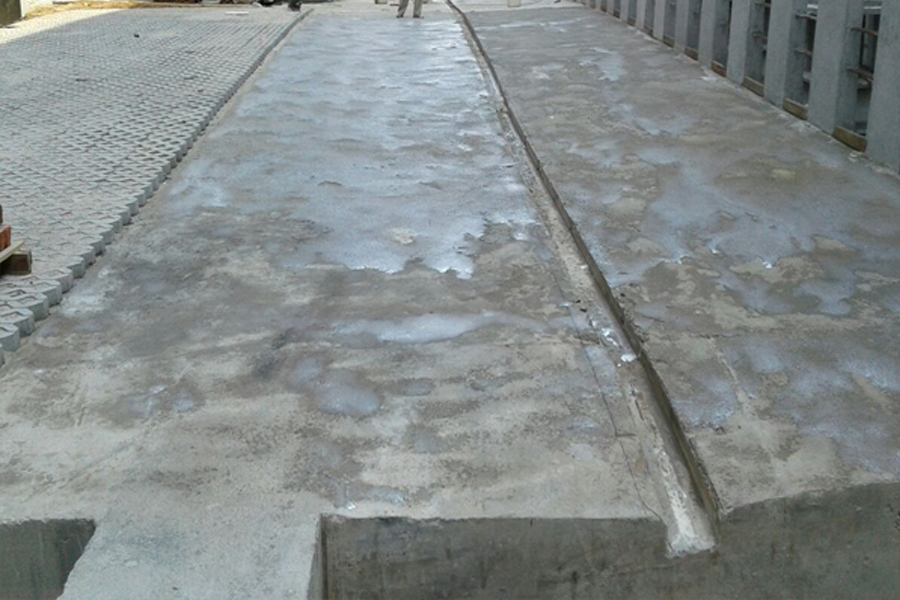
Nano waterproofing is typically applied by spraying for porous substrates like cement and masonry. Nano particle’s material qualities make this a highly flexible solution that offers industrial grade performance.
Wood
Wood surfaces can also be coated with nano coatings with water-based nanotech. The surface will then lose its water absorption properties and resist water from penetrating and threatening its material stability.
Marble
Water-based nano waterproofing treatment is also commonly applied for marble surfaces in order to repel external liquids from entering its surface. The major advantage over this application is nanotech’s ability to waterproof the surface effectively without altering the physical aesthetic of the surface.

When a Penetrating Water-Repellent Treatment Fits
Nano or penetrating water-repellent treatments are intended for compatible porous materials such as selected concrete, masonry, stone or grout. They reduce liquid-water absorption near the treated surface while retaining the appearance of many substrates. Performance depends on the product, surface porosity, preparation, exposure and application rate. A treatment should therefore be selected from the actual substrate rather than from the word “nano” alone.
DryProof first checks whether the moisture is entering through the surface that can be treated. Rain-related absorption through an external wall is different from water moving through a structural joint, an active crack, a failed wet-area membrane or a concealed pipe. A water leak detection assessment can help identify the likely path. Penetrating treatment cannot bridge substantial movement, rebuild loose material or stop pressure from a source that remains untreated.
Surface preparation is critical. Dirt, algae, curing compounds, wax, oil and an existing non-porous coating can prevent penetration. Efflorescence and failed paint also need attention before treatment. A small test area is useful on visible stone, brick or tile because absorption and appearance can vary. The applicator should follow the specified coverage and curing conditions rather than applying a heavy coat in the hope of improving performance.
This approach can be useful where retaining the original finish matters and the substrate is sound. It may also form one part of a broader repair that includes renewing sealant joints, repairing local cracks or improving drainage. It is not automatically interchangeable with a continuous waterproofing membrane, which is designed to form a defined barrier across a complete area and its junctions.
After application, allow the treatment to cure before exposure to rain, washing or traffic. Clean the surface with products compatible with the treatment and avoid aggressive abrasion unless the manufacturer permits it. Periodic observation is sensible on exposed areas because weathering, cleaning and later alterations can affect performance. If dampness returns, record when it occurs and reassess the source instead of assuming that another coat will resolve every water path.
What is nano waterproofing? We use the term for penetrating water-repellent treatments with fine particles intended for compatible porous substrates. Suitability depends on the product, surface and exposure. Will a nano treatment change how the surface looks? Many treatments have little visible effect, but we recommend a test area because colour, sheen and absorption can vary between stone, masonry, grout and concrete. Can nano waterproofing be used on marble? We assess the marble finish and product compatibility first. A test area is important, and the treatment cannot correct cracks, loose material or failed joints. Does nano waterproofing require hacking? We usually apply it at the accessible surface without broad demolition. Cleaning, local repairs, curing and removal of incompatible coatings may still be needed. Is nano waterproofing durable outdoors? Durability varies with preparation, porosity, product, weather, cleaning and later alterations. We explain the expected maintenance and limitations for the actual exposed surface.Frequently Asked Questions